
five minute exercise
For years, fitness advice has sounded exhausting. Hit 150 minutes a week. Stay consistent. Build a routine. For many people, especially those balancing work, family, deadlines, or just plain exhaustion, that advice often feels impossible to follow.
But what if the answer was smaller?
Recent findings suggest that a five minute exercise habit may do far more for your health than most people assume. In fact, very short bursts of movement, done with enough intensity, appear linked to stronger heart health and even better long term survival outcomes. That matters. Especially if you’ve been sitting at a desk most of the day wondering whether tiny efforts even count.
Why tiny workouts suddenly matter
Here’s the thing. Your body does not carry a stopwatch. It responds to effort.
That shift in thinking changes everything about exercise and longevity. Instead of focusing only on long gym sessions, researchers are paying closer attention to short, intense moments of movement built into everyday life. This approach sits behind something called the VILPA exercise technique, short for Vigorous Intermittent Lifestyle Physical Activity.
Sounds technical. It’s actually pretty simple. Think about sprinting to catch a train, climbing stairs quickly because you’re late, carrying groceries upstairs, or walking uphill faster than usual. Those moments count. They may even matter more than people realize.
This rise in micro-workouts 2026 conversations is changing how many view health. The idea is no longer about perfection. It is about consistency. And honestly, that feels far more realistic.
Five Minute Exercise routine & heart health
Your heart likes challenge. When you suddenly move faster, breathe harder, and briefly push your body, your cardiovascular system reacts. Oxygen demand rises. Your heart pumps harder. Blood vessels respond quickly. Over time, these tiny repeated efforts may improve cardiorespiratory fitness, which plays a major role in how well your body ages.
The connection between short daily exercise and long-term wellness comes down to repeated adaptation. Small efforts stacked over time may help improve insulin response, lower blood pressure, and reduce stiffness in blood vessels. That makes these metabolic health micro-sessions surprisingly valuable.
Actually, one of the biggest takeaways here is psychological. Many people skip movement because they believe thirty minutes is the minimum that “counts.” A shorter goal feels doable. You’re more likely to start. And once you start, momentum follows.
Pro tip: If five minutes feels too small to matter, try linking it to an existing habit. Do it right after coffee, lunch, or before a shower. Consistency usually beats intensity in the long run.
What can you actually do in five minutes?
Good news. You don’t need a gym membership or fancy equipment. For anyone exploring fitness for busy people, the goal is simple: move hard enough to slightly raise your breathing and heart rate.
Here are a few quick ideas for brief vigorous physical activity:
- Walk stairs at a fast pace for 2–3 minutes
- Try fast bodyweight squats followed by lunges
- Do jumping jacks or invisible jump rope at home
- Alternate high knees with desk pushups
- Carry heavy grocery bags with purpose instead of rushing through it
These kinds of quick home workouts fit naturally into busy schedules and support daily movement health without feeling like another task on your calendar. The growing interest in minimalist fitness trends comes from one simple truth: people want sustainable routines. And sustainable usually means short.
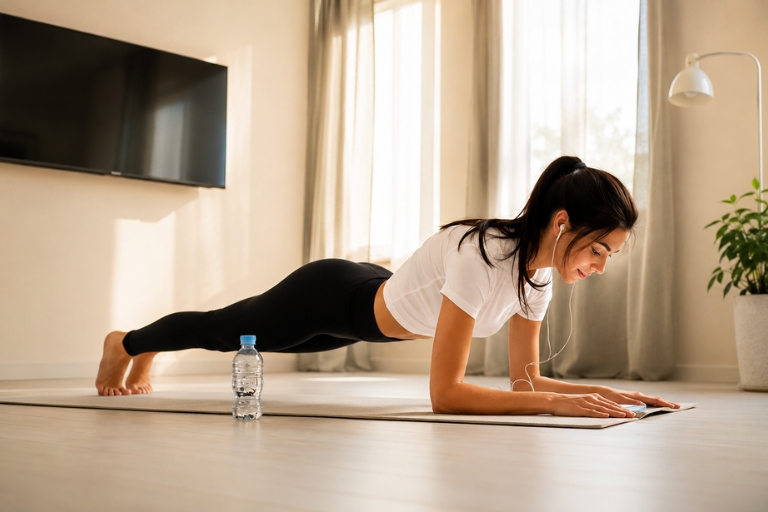
micro-workouts 2026
The surprising link between movement and longevity
One of the strongest points behind five-minute workout benefits is how quickly the body responds to effort. Research suggests even a few minutes of vigorous activity daily may be tied to meaningful improvements in overall health, including potential all-cause mortality reduction and better cardiovascular outcomes. That sounds dramatic, but the message itself is pretty grounded.
Move more. Sit less.
Even tiny moments count.
This is especially useful when thinking about sedentary lifestyle remedies. If you spend hours in meetings, commuting, or sitting in front of screens, waiting for the “perfect” workout window often means nothing happens at all.
Small bursts remove excuses.
Conclusion
You do not need a complete lifestyle reset to improve your health. That idea alone can feel freeing. A five minute exercise habit will not magically replace every form of fitness, but it can become the starting point that finally sticks. The beauty of high-intensity incidental activity is that it fits inside real life rather than competing with it. So instead of waiting for motivation, try movement. Climb the stairs faster. Walk harder for a few minutes. Squeeze in short effort between tasks. Because when it comes to life expectancy tips, sometimes the smallest habits quietly become the ones that matter most.