
Food Psychology Hacks
Most people don’t struggle with healthy eating because they lack information. Let’s be honest. Everyone already knows vegetables are healthier than chips, and water beats soda most days. The real challenge happens at 4 PM when you’re tired, stressed, hungry, and staring at whatever is easiest to grab.
That’s where Food Psychology Hacks become useful.
Instead of relying on endless willpower, these simple strategies work with your brain rather than against it. Small adjustments to your environment, habits, and food presentation can quietly influence better choices without making you feel restricted. The goal isn’t perfection. It’s making healthy decisions easier.
Why Food Psychology Hacks Actually Work
Human beings make hundreds of food decisions every day, and most of them happen automatically.
Your brain loves convenience. It notices what’s visible, reaches for what’s nearby, and often chooses what requires the least effort. That’s why behavioral science has become such an important part of nutrition discussions.
The best Food Psychology Hacks don’t force dramatic lifestyle changes. They simply remove friction between you and better choices. Think of it this way: if healthy eating feels like a battle every day, eventually you’ll get tired of fighting.
Let Smaller Plates Do Some of the Work
One of the easiest changes involves something already sitting in your kitchen.
A regular serving often looks surprisingly small on an oversized dinner plate. When that happens, your brain interprets the meal as less satisfying before you’ve even taken a bite. Serve the same portion on a smaller plate, and it instantly appears more substantial.
This visual shift, often called the portion-size illusion, can support portion control naturally. You’re not eating less because you’re forcing yourself to. You’re simply changing how your brain perceives the meal. It’s one of the most effective Food Psychology Hacks because it requires almost no effort.
Make Healthy Foods Impossible to Miss
Visibility drives consumption more than most people realize.
If cookies are sitting on the counter, you’ll see them repeatedly throughout the day. Every glance creates another opportunity for temptation. Meanwhile, healthy foods often end up hidden in drawers or tucked away at the back of the refrigerator.
Try reversing the setup.
Keep fruit in a bowl where it’s visible. Store prepared vegetables at eye level. Place nuts or healthy snacks where they’re easy to reach. Put less nutritious options inside cabinets or opaque containers. The easiest option usually wins.
Slow Eating Changes Everything
Modern meals are rushed.
People eat while checking emails, scrolling social media, watching television, or answering messages. The problem is that fullness signals take time to reach the brain. When you eat quickly, it’s easy to consume far more food before your body has a chance to respond.
You don’t need a complicated mindfulness practice. Simply slow down.
Put your fork down occasionally. Take a breath between bites. Pay attention to flavors, textures, and aromas. A simple bowl of soup, fresh salad, or home-cooked meal often feels far more satisfying when your attention is actually on the food.
Among all Food Psychology Hacks, this one may have the biggest impact on overall eating habits.
Start Meals with Fiber
If there is one nutrition strategy that consistently delivers results, it’s this. Eat fiber first.
Vegetables, beans, lentils, fruits, and salads add volume to meals without adding excessive calories. They also slow digestion and help maintain fullness for longer periods. Many people focus on removing foods from their diets when they would benefit more from adding fiber-rich foods first.
Starting with fiber doesn’t mean eliminating carbohydrates or favorite foods. It simply creates a more balanced foundation for the rest of the meal.
Small change. Big payoff.
Use Visual Contrast on Your Plate
The color of your plate can influence portion perception.
When food blends into the plate, portions often appear smaller than they actually are. That can encourage larger servings without conscious awareness. A light-colored meal on a dark plate—or vice versa—creates stronger visual boundaries.
Your eyes judge portions more accurately, making it easier to serve appropriate amounts. It sounds surprisingly simple because it is. Yet these small visual adjustments are exactly what make Food Psychology Hacks effective.
Drink Smarter Without Feeling Deprived
Liquid calories often slip under the radar. Juices, sweet coffees, flavored drinks, and sodas can contribute significant calories without creating the same fullness as solid food.
A tall, narrow glass creates the illusion of a larger serving compared to a short, wide glass holding the same amount. It’s a subtle visual trick, but one that encourages more mindful consumption without eliminating the drink entirely.
Give Healthy Food Better Marketing
Words matter. Compare these descriptions:
“Diet salad.”
“Crispy Mediterranean salad with lemon dressing.”
One sounds like punishment. The other sounds appealing. People often label healthy foods using language associated with restriction or sacrifice. That shapes expectations before the first bite.
Instead, focus on flavor, texture, freshness, and enjoyment. Crunchy. Smoky. Spicy. Tangy. Creamy. Fresh. Healthy food doesn’t need better nutrition. Sometimes it just needs better branding.
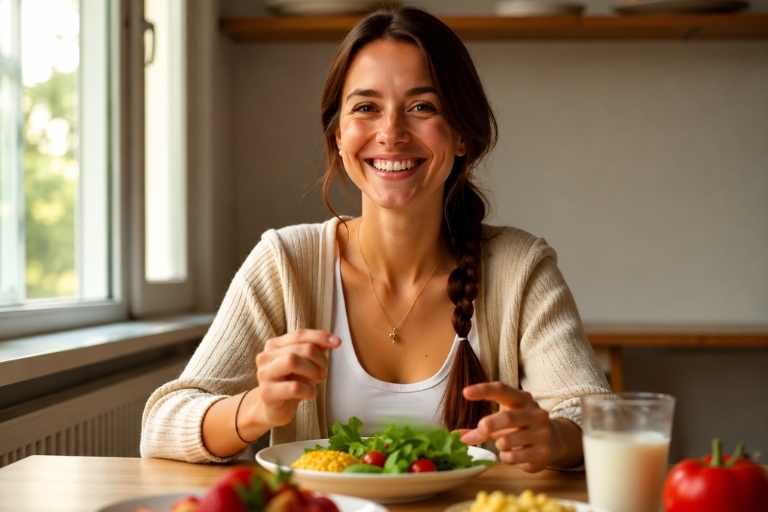
healthy eating habits
Simple Changes That Add Up
If you’re looking for a realistic starting point, focus on these habits:
- Use smaller plates during main meals
- Keep fruit and healthy snacks visible
- Store treats out of immediate sight
- Begin meals with fiber-rich foods
- Eat without scrolling through your phone
- Use tall glasses for sugary beverages
- Plate snacks instead of eating directly from packages
- Describe healthy meals in ways that sound appealing
None of these changes are dramatic. Together, they can reshape daily eating habits surprisingly quickly.
Conclusion
The best Food Psychology Hacks work because they acknowledge reality. People eat when they’re busy, stressed, distracted, tired, or emotional. That’s normal. Instead of depending entirely on willpower, create an environment that supports better decisions automatically. Smaller plates, visible healthy foods, slower eating, fiber-first meals, and smarter food presentation won’t transform your health overnight, but they can steadily improve your choices over time. Often, lasting nutrition improvements come from changing the system around you rather than constantly trying to change yourself.