
Oswestry Border Culture
Some towns are easy to explain. Oswestry is not one of them.
Set in northwest Shropshire, only a short distance from Wales, this market town sits in a space that feels slightly in-between. The map places it in England. The mood says something richer. You hear Welsh accents in the street, see border history in the buildings, and feel a quiet cultural overlap that has been forming here for centuries.
That is what makes Oswestry Border Culture compelling for travelers who prefer places with texture. Not polished. Not over-designed. Just real. For anyone looking for hidden gems in the UK or planning a slower UK staycation in 2026, Oswestry offers the kind of travel experience that feels increasingly rare.
A Town Built Between Two Identities
The first thing you notice about Oswestry is not one single landmark.
It is the atmosphere. The town has the familiar rhythm of traditional market towns in the UK, with independent shops, old pubs, narrow streets, and traders who seem to know half their customers by name. But underneath that English market-town structure, there is a clear Welsh influence.
It shows up naturally. Welsh surnames appear often. Conversations sometimes shift between English and Welsh. Local food and produce carry a borderland character. Nothing feels forced for tourists. It is simply how the town lives.
That is the heart of Oswestry Border Culture. The place does not fit neatly into one box, and that is precisely why it stays memorable.
Why the Border Still Matters
Borders are often shown as lines on maps, but in towns like Oswestry, they feel more personal. For centuries, this part of Shropshire sat close to shifting power between English and Welsh kingdoms. Families moved, traded, fought, married, and settled across the border. Over time, the town developed an identity that borrowed from both sides without fully belonging to either.
That history still shapes daily life.
Oswestry may technically sit inside England, but its connection to Wales is unmistakable to miss. This is not the kind of destination that explains itself through glossy boards and tourist slogans. You understand it slowly, while walking through the market, hearing local voices, and noticing how comfortably two cultural moods sit together.
Old Oswestry Hillfort Still Watches Over the Town
Just outside the town center, Old Oswestry Hillfort gives the whole area a deeper sense of age. The earthwork walls rise above the surrounding countryside and date back more than 3,000 years. Walking up the grassy slopes feels simple at first, then strangely powerful once the view opens.
On one side, the Welsh hills stretch into the distance. On the other, Shropshire rolls out in softer layers. From up there, modern borders feel much smaller than the landscape itself.
This is one of the strongest reasons Oswestry works so well for heritage travel England and British history tours. It offers history without the crowd pressure. The site feels open, raw, and quiet enough to let the place speak for itself.
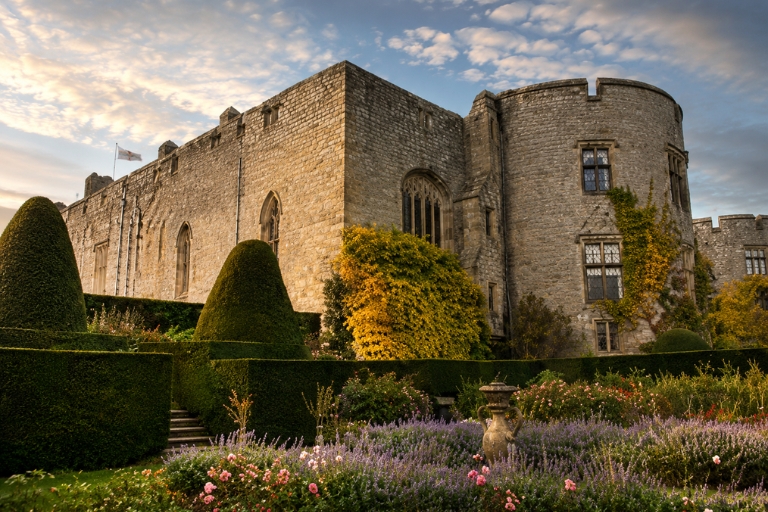
The Oswestry travel
Everyday Life Carries the Culture
What makes Oswestry Border Culture special is that it does not sit only in old ruins or historic trails. It runs through everyday life.
You notice it in the pubs, where the atmosphere feels both English and Welsh. You notice it in the markets, where conversations carry that easy borderland blend. You notice it in the way locals move between communities on both sides of the border as if the divide were more practical than emotional. This is also why Oswestry suits travelers who enjoy slower, more observant trips. There is no need to rush from attraction to attraction. The town rewards attention.
Travel tip: Oswestry is best explored without trying to over-plan every hour. Leave space for market browsing, quiet streets, and an unhurried pub meal because that is where the town’s character comes through best.
A Strong Base for Borderland Walks
For walkers, Oswestry is well placed for Offa’s Dyke Path travel. The famous route follows the ancient earthwork linked to King Offa and the old boundary between Mercia and Wales. Walking sections near Oswestry gives visitors a better sense of how borderlands shaped movement, power, and identity over generations.
It is not just scenery. It is landscape with memory.
For travelers interested in Anglo-Welsh culture, this area adds meaning to every view. A path becomes more than a walking route. A hill becomes more than a viewpoint. The border starts to feel like something lived, not just marked.
A Weekend in Oswestry Works Beautifully
Oswestry is not a destination that needs a packed itinerary. That is part of its charm.
A good weekend can stay simple:
- Walk Old Oswestry Hillfort in the morning
- Visit the town center for coffee and local pastries
- Browse independent shops and market stalls
- Take a short hike near Offa’s Dyke
- End the day in a traditional borderland pub
It also works well as one of the easier day trips from Manchester for travelers who want history, countryside, and culture without committing to a full rural holiday.
Why Oswestry Stays With You
The most memorable thing about Oswestry is not one building, one view, or one legend. It is the feeling of overlap. The town feels English in layout but Welsh in spirit. It carries market-town practicality alongside older borderland stories. It has enough history to interest serious travelers, but enough everyday life to avoid feeling like an open-air museum.
That balance is rare.
Oswestry Border Culture gives the town its quiet strength. It makes the streets feel layered, the landscape feel meaningful, and the travel experience feel more personal than polished. In a time when many destinations are shaped around quick photos and predictable itineraries, Oswestry stands apart by staying honest to its own mixed identity.